
About CRS and the CRS Restoration Project
The Mission of the Community Relations Service
Created by the Civil Rights Act of 1964, CRS has brought together communities experiencing conflict and violence arising from disputes addressed by civil rights and hate crimes statutes.
Without any involvement in the prosecution, investigation, or litigation work of the federal government, CRS has assisted communities as a neutral, impartial, and confidential mediator through facilitated dialogue, mediation, training, and consultation with the goal of helping communities overcome differences and build the skills needed to prevent future disputes.
CRS also assists in federal courts in bringing parties to settlement in civil rights public accommodation cases if the court believes there is a reasonable possibility of obtaining voluntary compliance by the alleged discriminating party. Once a district court refers a matter, CRS may conduct a full investigation into the dispute and even hold hearings to bring about a voluntary settlement between the parties.
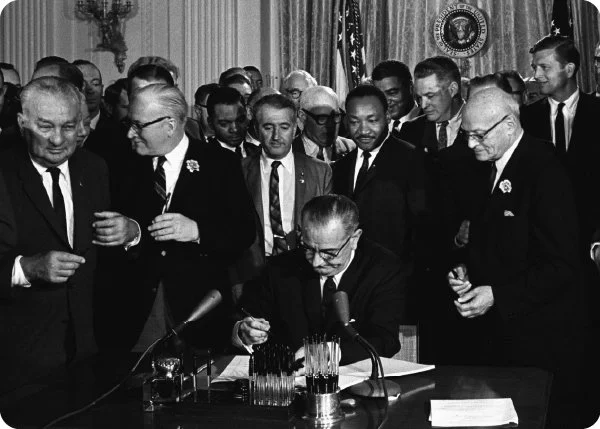
Originally placed in the Commerce Department, CRS has served the American public as a Justice Department agency since 1966. Because of CRS’s statutory requirements of confidentiality and non-engagement in prosecution, investigation, and litigation, CRS has always functioned as a separate agency, standing apart from U.S. Attorney’s Offices and other litigating divisions of the Justice Department.
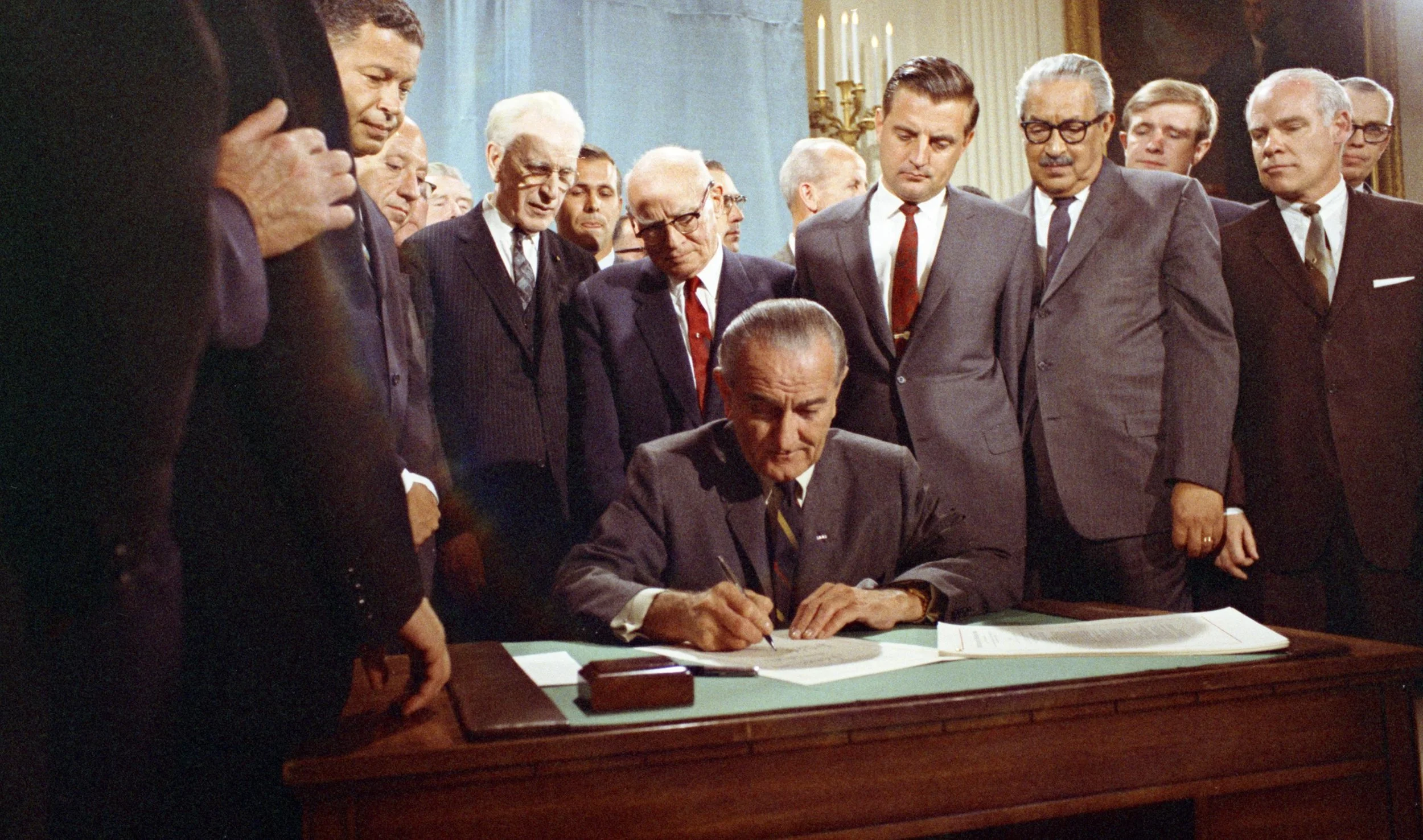
Since 1964, Congress has broadened and further empowered CRS’s mandate in civil rights and hate crimes crises. Congress directed the Department of Housing and Urban Development to work with CRS prevent and eliminate housing discrimination under the Fair Housing Act of 1968.

In 1996, the Church Arson Prevention Act directed CRS to “prevent, and respond to potential violations” of 18 U.S.C. §§ 247 and 844, involving damage to religious property and interference with the free exercise of religion, and destructive conduct using fire, bombs, or other explosives.

In 2007 and 2016, respectively, the Emmett Till Unsolved Civil Rights Crime Act and the Emmett Till Unsolved Civil Rights Crimes Reauthorization Act required DOJ’s Civil Rights Division to investigate unsolved civil rights–era homicides and directed CRS to “provide technical assistance by bringing together law enforcement agencies and communities to address tensions raised” by those same crimes.
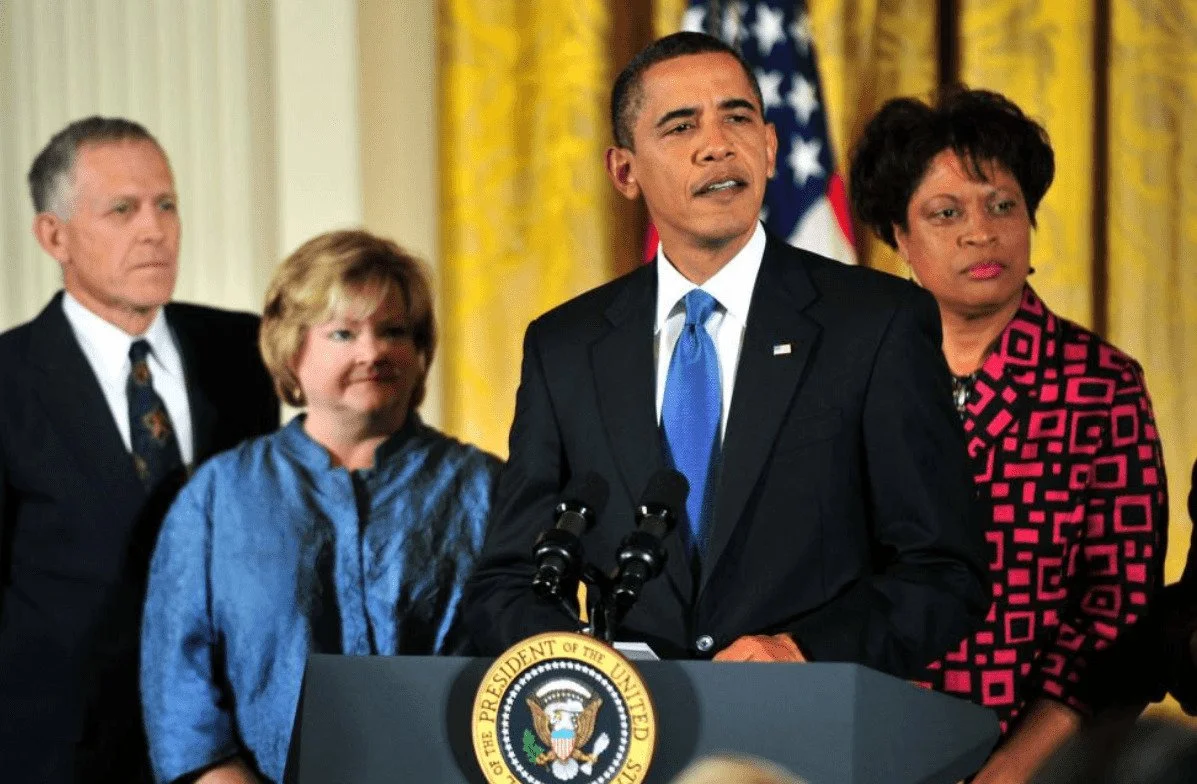
In 2009, the Matthew Shepard and James Byrd Jr. Hate Crimes Prevention Act mandated CRS to “prevent and respond to alleged violations” of 18 U.S.C. § 249, a newly established federal hate crime for causing or threatening bodily injury based on race, color, national origin, gender, gender identity, sexual orientation, religion, or disability.
The Mission of the CRS Restoration Project
The CRS Restoration Project exists to advocate for the preservation and restoration of CRS and serve as a repository of CRS’s non-confidential, historical materials. This Project is managed by a group of CRS alumni.